
Quincy Donation Pickup From Shoreline Homes
{{custom_values.city3_h2_1}
}
Quincy's housing tells a long story, from granite-era single-families and weathered triple-deckers near the water to the condo towers rising around the transit stops, and each type asks something different of a donation pickup. Shoreline properties take a beating from salt air and damp seasons, so appliances and furniture pulled from older homes often show the wear that comes with coastal exposure, and a charity's acceptance call hinges on that condition. Waterfront and low-lying blocks add moisture to basements where heavy items tend to be stored, complicating the haul before a piece even reaches the door. Meanwhile the newer towers bring elevator logistics, loading-dock rules, and building access windows that shape when and how a crew can work. Sorting usable goods into the right charity is only half the task here; getting them out of the specific structure is the other half. We read the property first, match each item to a partner by type and condition, and plan the removal around whether we are navigating a narrow triple-decker stair or a tower's service elevator. Owners get a firm quote before anything moves, a window that fits the building's rules, and a donation receipt once goods are placed. The work stays grounded in how Quincy homes are actually built and exposed, keeping reusable furniture and appliances in service for another family rather than letting coastal wear or building logistics send them to the curb.
From Triple-Deckers to Condo Towers
Two forces keep donation volume steady in Quincy: long-term owners downsizing out of homes they have held for decades, and the wave of new residents cycling through the condo developments near the transit lines. The first group tends to clear out established furniture and older appliances all at once, often during an estate transition or a move to smaller quarters, producing full loads that need careful sorting by condition. The second churns through goods on the faster rhythm of rentals and resales near the T. Both feed a stream of usable items that no single charity can absorb, which is where matching by type and condition matters most. Coastal wear complicates the picture, since salt-exposed metal and damp-stored pieces sit right at the edge of what a charity will take, and knowing where that line falls prevents a wasted haul. Mattresses carry their usual snag, refused by most nonprofits over hygiene rules, though a few partners accept clean ones and we route yours there after screening it first. Appliances need the confirm-first treatment, verified as working and safely disconnected before pickup. Every job runs the same way regardless of whether it is a shoreline single-family or a tower unit: a walkthrough, a charity match, an upfront price with no surprises, and handling suited to the structure. Owners get a predictable clear-out built around Quincy's real mix of aging coastal homes and new construction.
Whole-Home and Estate Clear-Outs
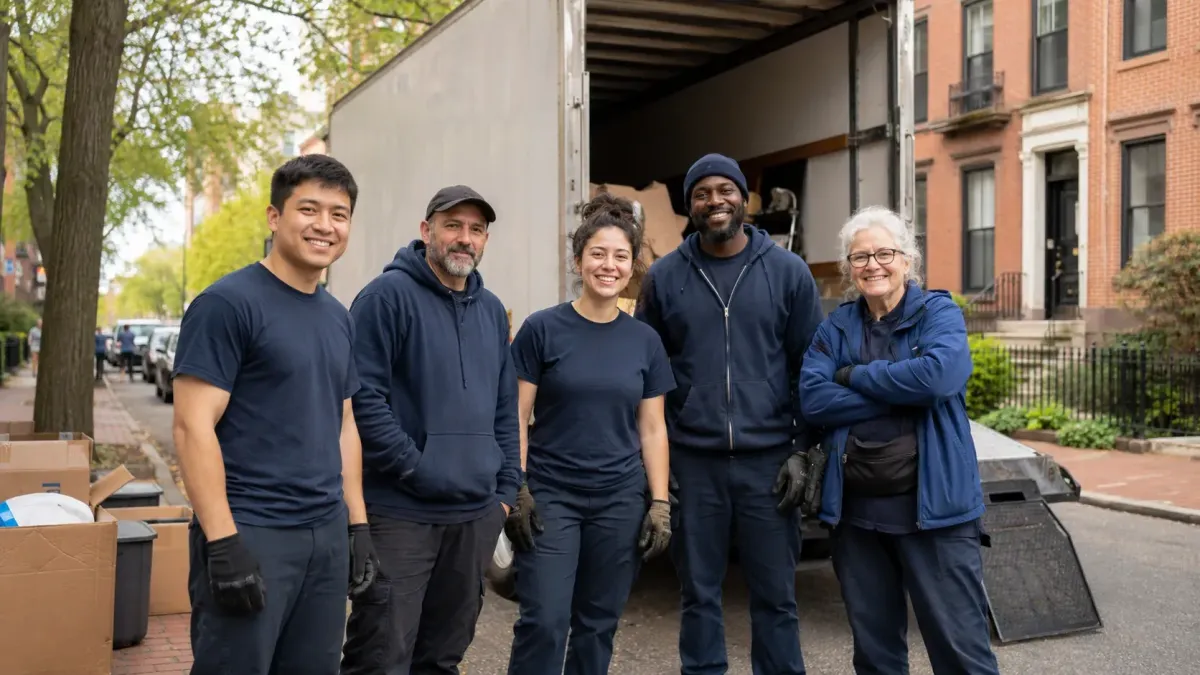
Whole-home and estate clear-outs are a large share of the donation work in Quincy, driven by long-term owners downsizing and families settling estates in homes held for a generation or more. These jobs are rarely a single piece; they are a full house of furniture, housewares, and appliances accumulated over decades, much of it still perfectly usable and deserving of a second home rather than a dumpster. The challenge is sorting that volume against the acceptance rules of different charities while managing the physical clear-out of an older coastal property, where damp basements, weathered attics, and narrow stairways all factor into the haul. We work room by room on the owner's or the family's timeline, matching each usable piece to a charity that accepts it by type and condition, and clearing the rest responsibly so the property is left empty. Coastal wear gets a careful eye, since salt-exposed and moisture-affected items sit near the edge of what partners will take. Every clear-out opens with a firm quote for the full scope and a charity match across the load, and itemized donation receipts follow for the household's or estate's records. Whether it is a downsizing move or a full estate emptied for sale, the work is planned around the realities of an aging Quincy home, turning a daunting whole-house job into an orderly, honest clear-out with the usable goods placed where they will serve someone.
Appliance and Mattress Pickup
Appliances and mattresses demand extra attention in Quincy, where coastal exposure and older housing stock shape what a charity will actually accept. A refrigerator, washer, or dryer pulled from a shoreline home may carry salt-air wear that affects the acceptance call, so we verify each unit runs and confirm the partner will take it before scheduling the haul, then manage the safe disconnect and the lift out of a damp basement or a back kitchen. Mattresses are the harder item everywhere, and Quincy is no exception: most nonprofits refuse them over hygiene standards, leaving donors to assume the curb is the only destination for a clean, lightly used one. A few partners do accept stain-free mattresses, and we screen each against their rules before it leaves the room so nothing is hauled only to be turned away on arrival. Both services run on the same upfront pricing and charity-match approach as the rest of our work, meaning owners always know the cost and the destination in advance. The confirm-first method matters most with these two items, because they are the ones most likely to be refused when a crew simply shows up and loads without checking. Handled our way, the appliance and the mattress that usually stall a Quincy clear-out become the pieces we route most predictably, kept in service for a family instead of adding to the waste stream.
Condo and Tower Access
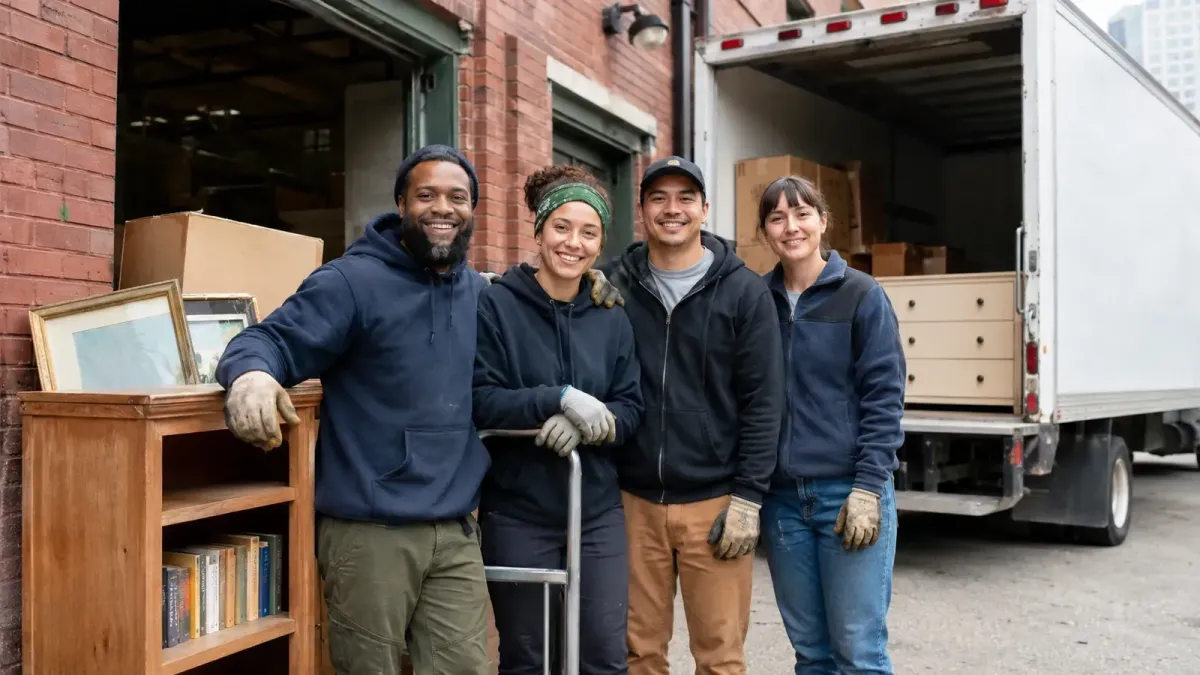
Condo and tower access changes the shape of a donation pickup, and Quincy's growing cluster of buildings near the transit stops makes that a routine part of the work. Unlike a single-family home where a crew controls the whole path from room to curb, a tower unit means coordinating with building management on loading-dock hours, reserving the service elevator, and working within the access windows the property allows. A sofa or an appliance that would take twenty minutes to carry out of a walk-up can require a scheduled elevator slot and a route through shared corridors in a high-rise. We plan that coordination before pickup day, confirming the building's rules and timing so the crew arrives ready rather than waiting on a dock manager. Each usable item is still matched to a charity by type and condition, the same as any other job, and the upfront quote covers the full scope with no surprises at the door. For residents cycling through the condo developments on the faster rhythm of rentals and resales, that predictability keeps a clear-out from colliding with building restrictions. Whether the goods are leaving a shoreline triple-decker or a tower near the T, the removal is built around how the specific structure works, and the usable furniture and appliances land with charities that accept them rather than stalling in a lobby while access gets sorted out on the spot.
Comprehensive Donation Pickup Services in Boston
Tailored to Your Needs
From a single furniture pull to a full property cleanout, these are the donation pickup services we run across Boston and the nearby suburbs, each matched to charities that accept the items.

Couches, tables, dressers, and more picked up and donated across Boston.
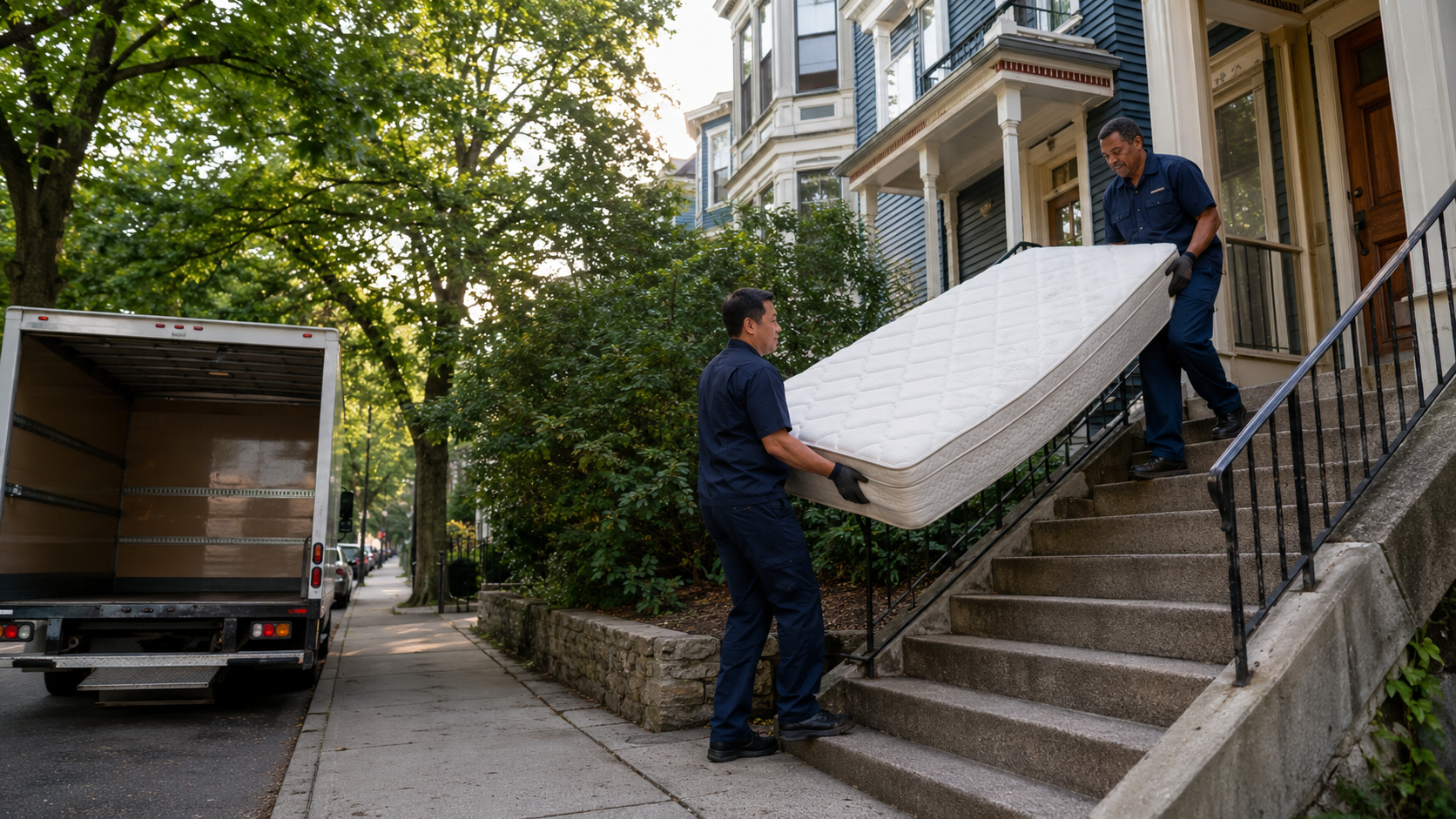
Gently used mattresses matched to Boston charities that actually accept them.
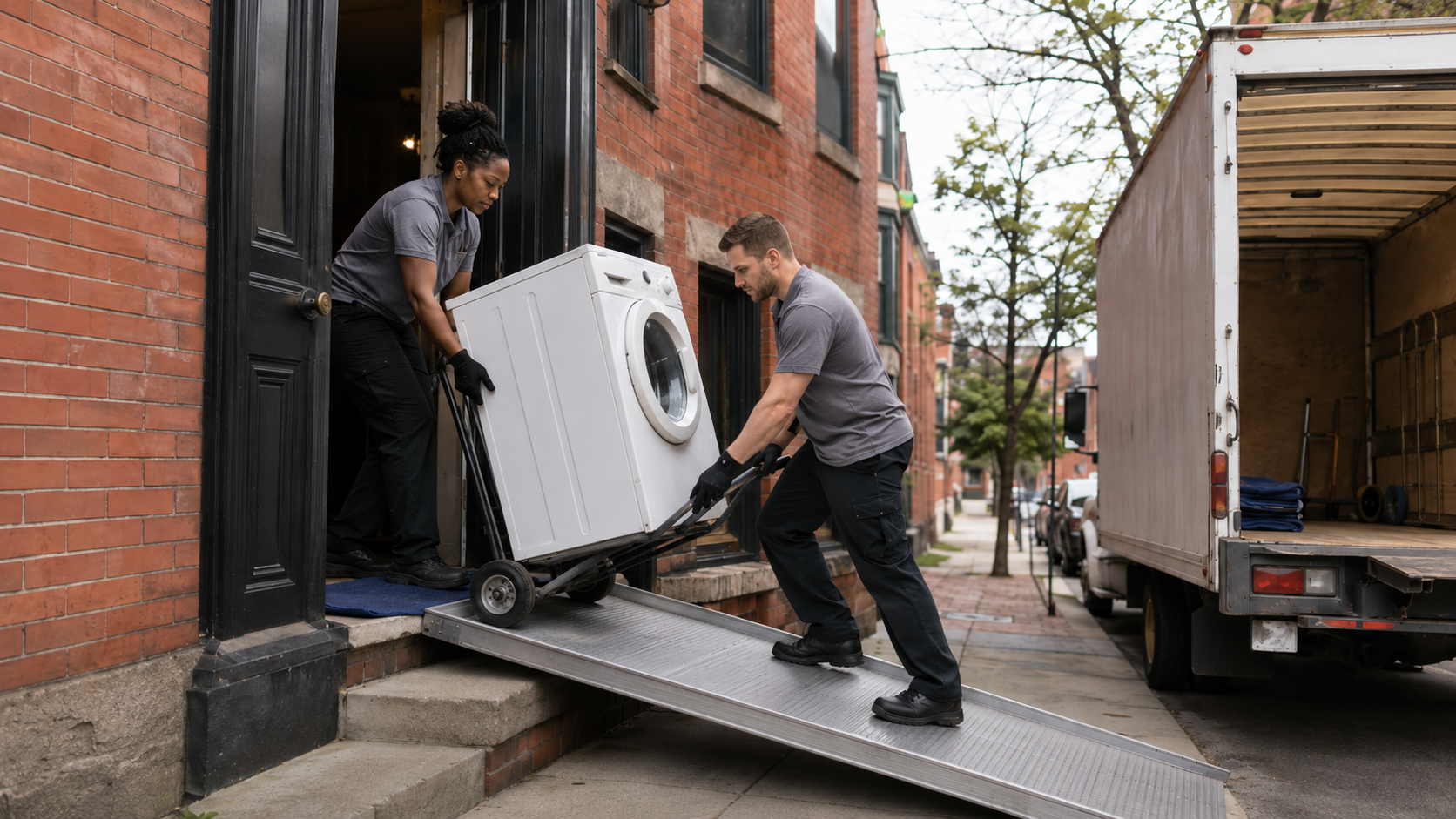
Working refrigerators, washers, and dryers hauled to Boston donation partners.
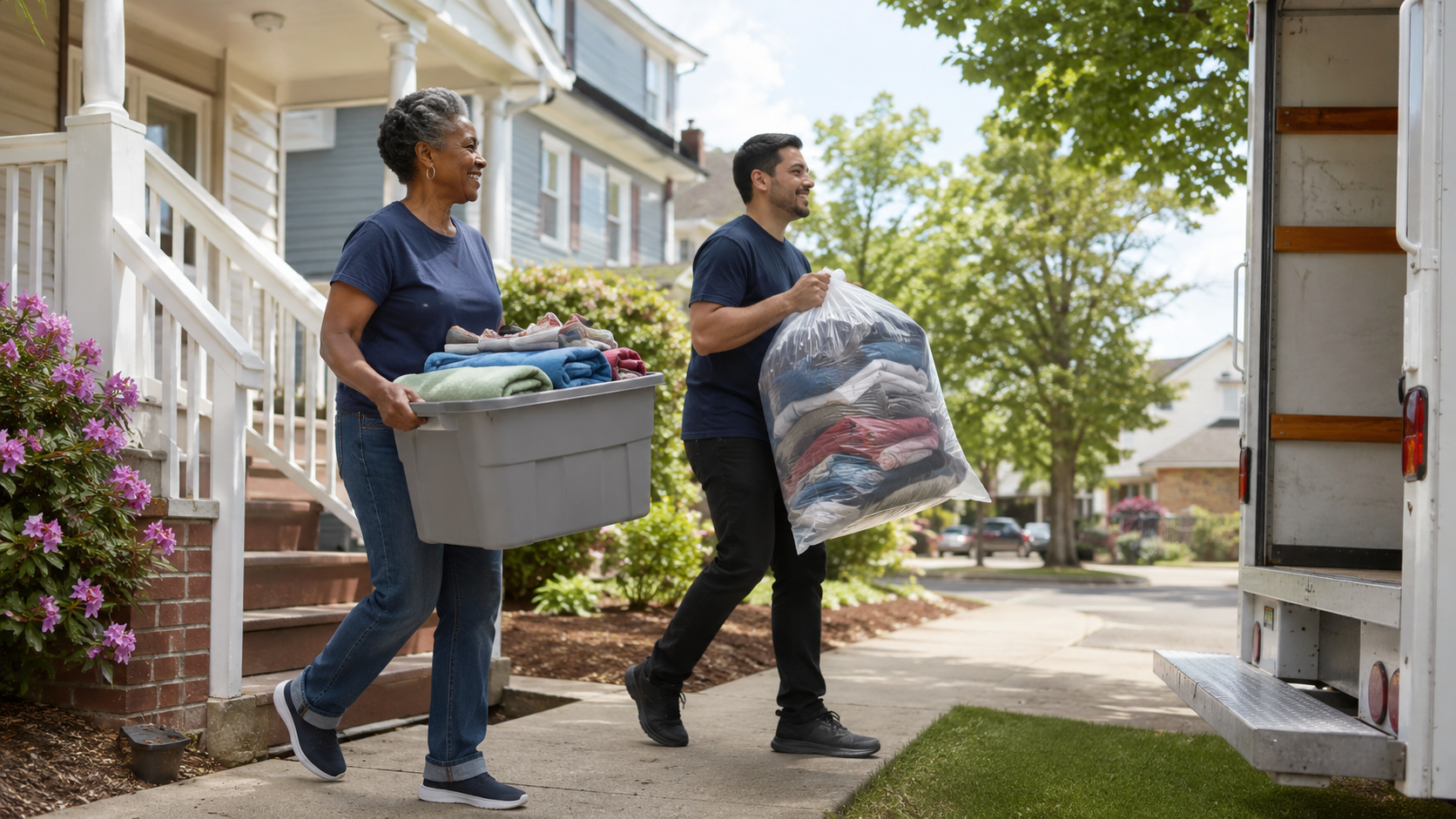
Bagged clothing and shoes collected for Boston-area charities in need.
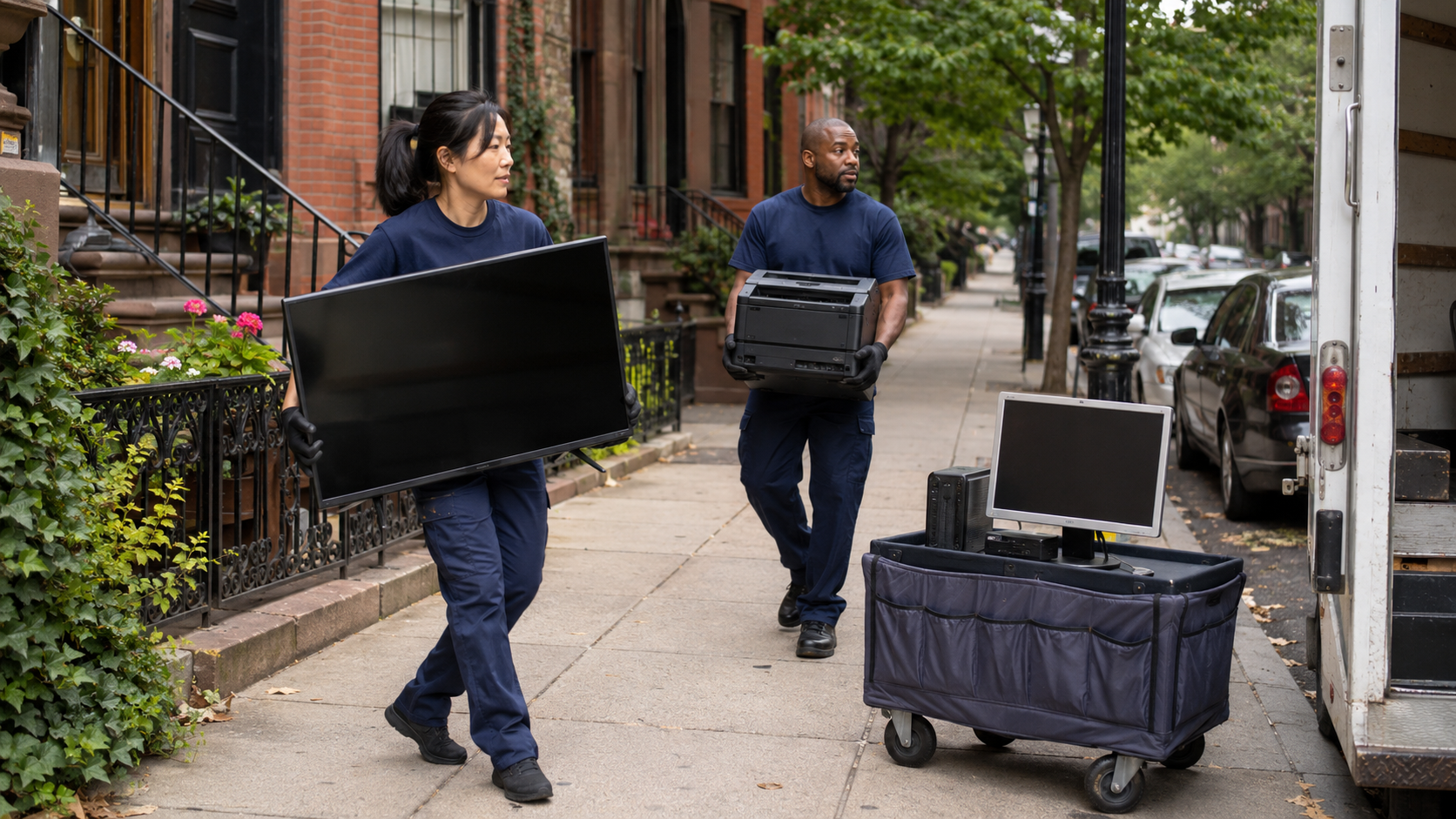
Reusable TVs, computers, and electronics donated or responsibly recycled.
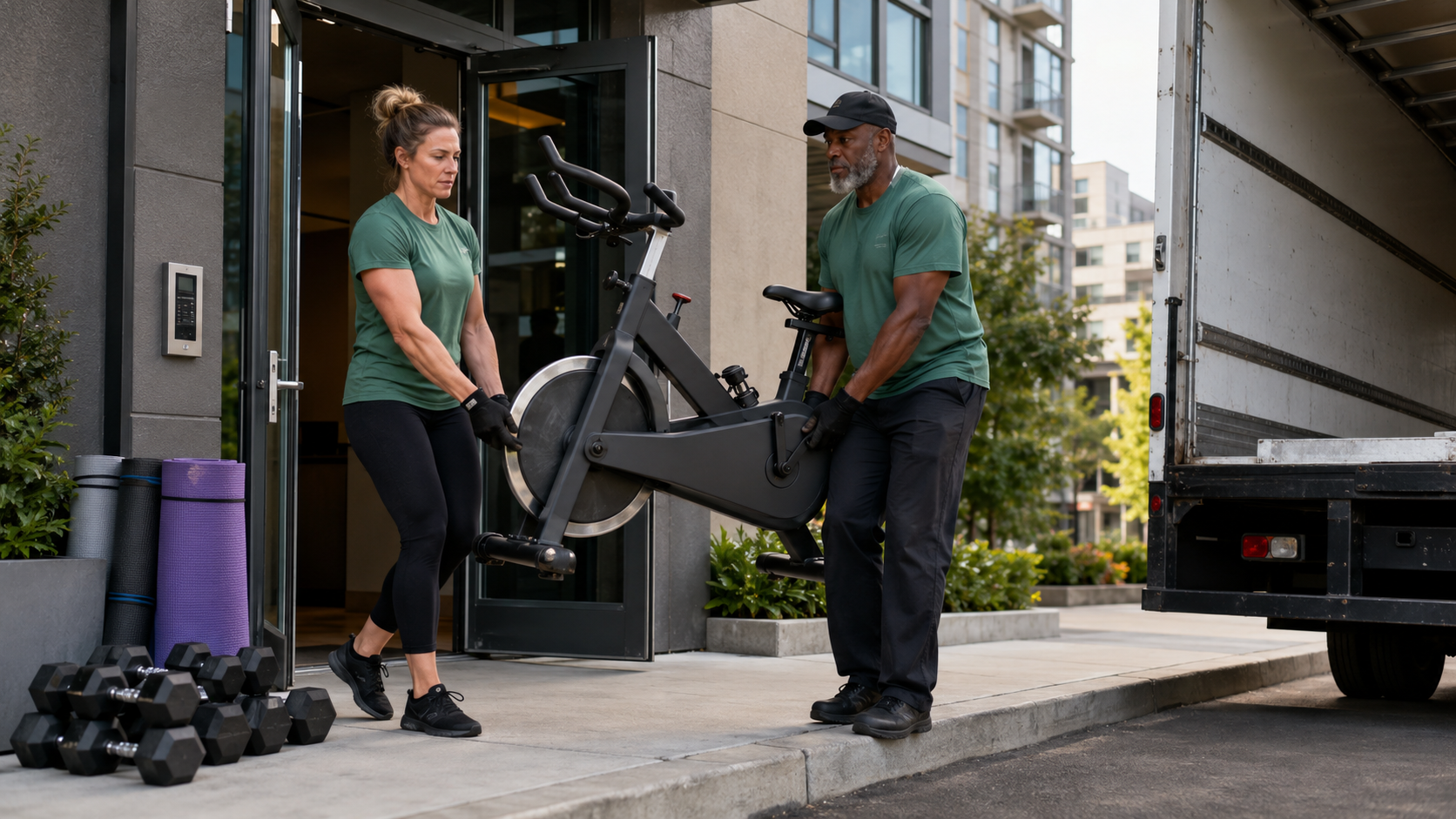
Treadmills, weights, and bikes picked up and rehomed around Boston.
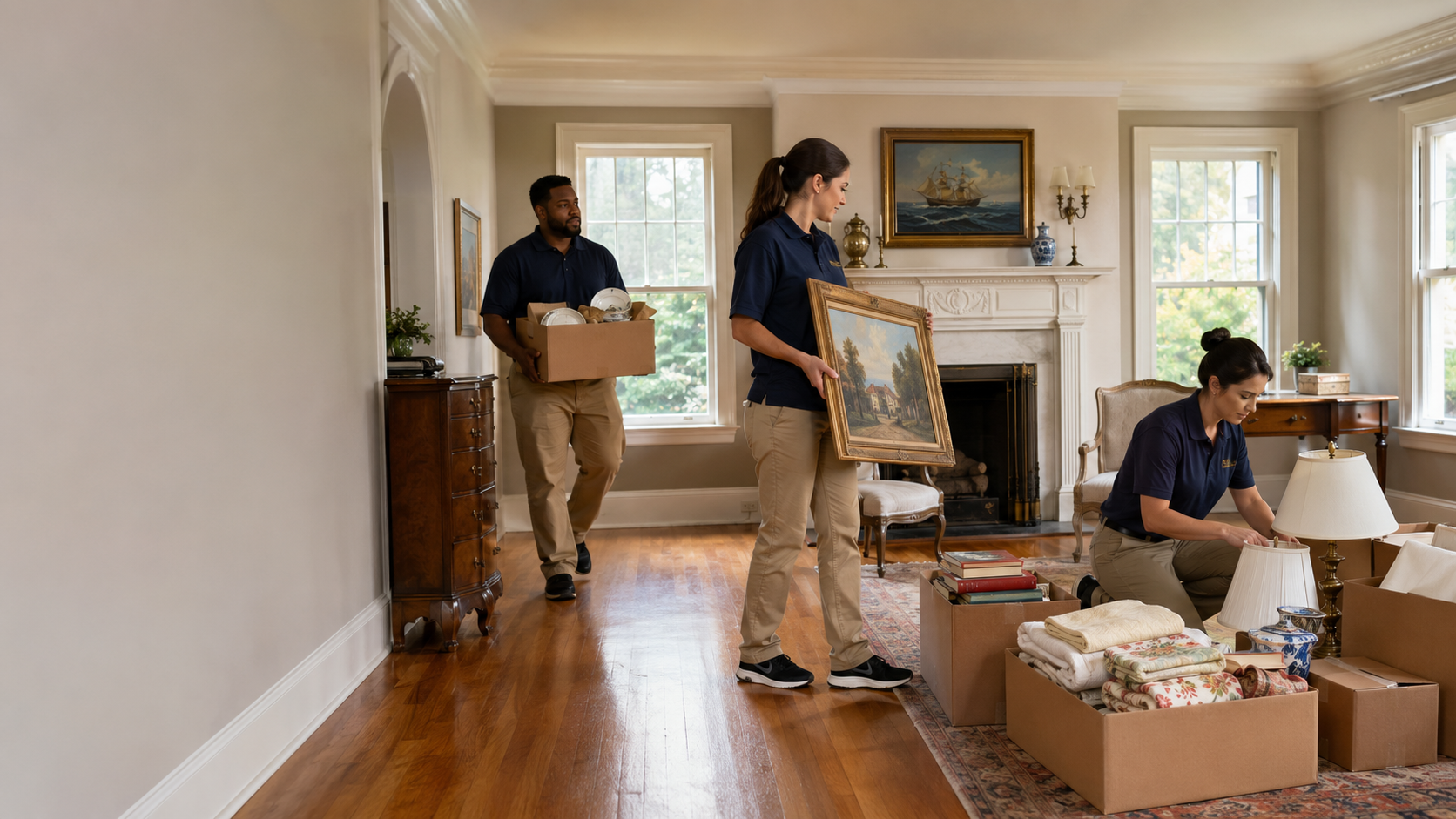
Full estate cleanouts with usable goods donated across Suffolk County.
Desks, chairs, and cabinets from Boston offices donated to nonprofits.
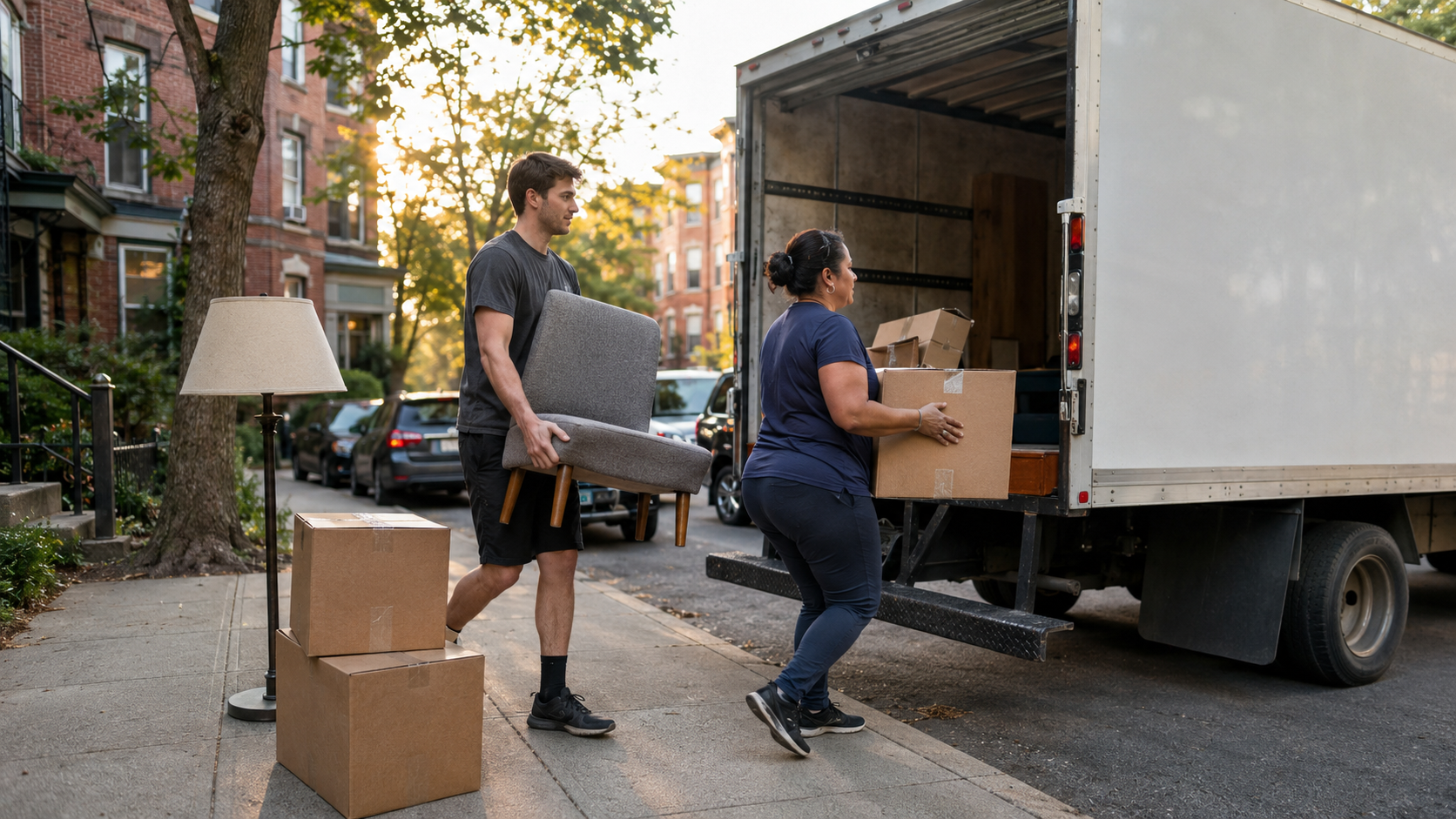
Fast same-day donation pickup when your Boston schedule cannot wait.
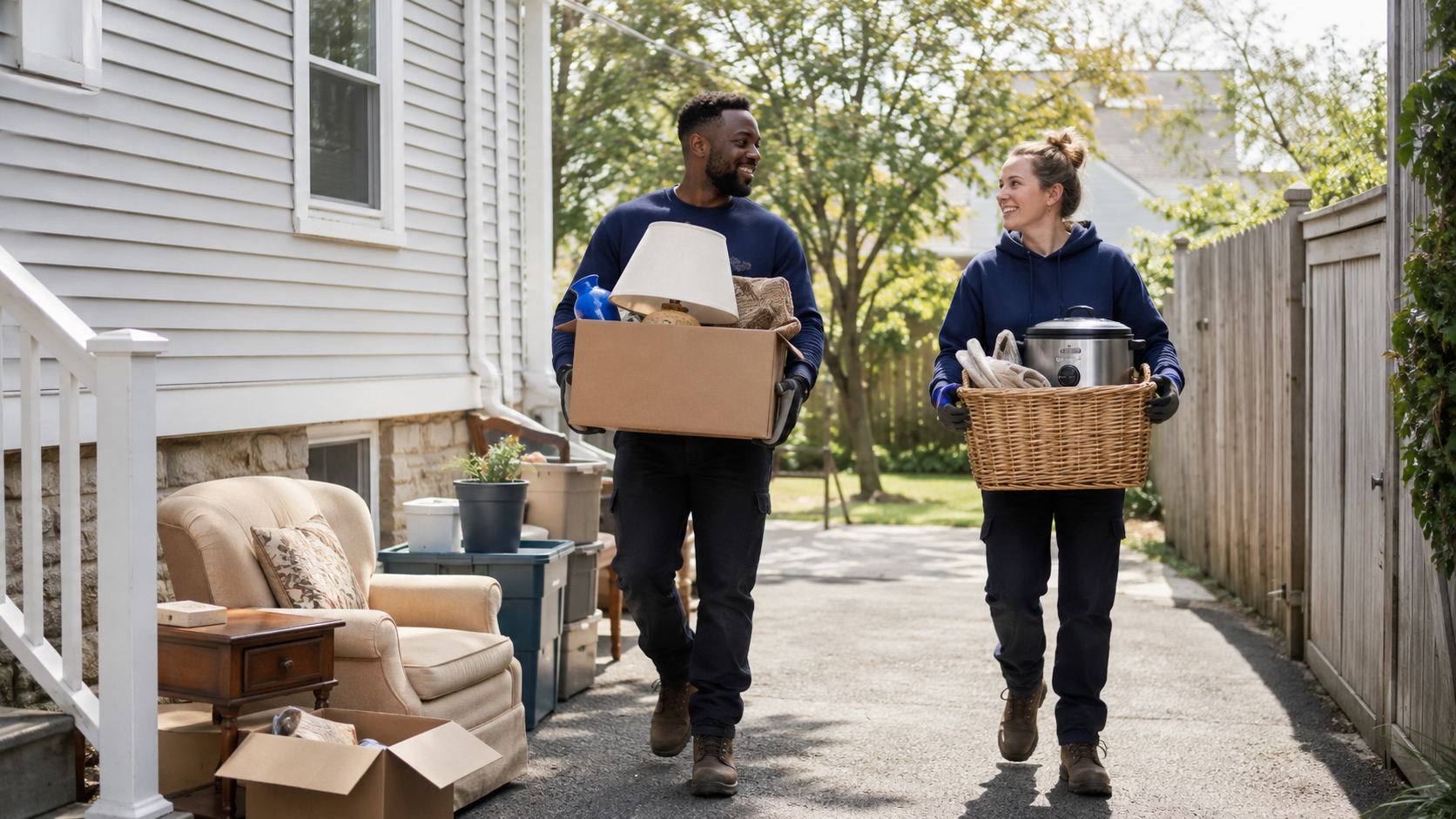
Mixed loads hauled, with everything usable donated and the rest cleared.
Frequently Asked Questions
Donation Pickup can be complex, and we’re here to provide answers to common questions. Here are some frequently asked questions from our clients.
Frequently Asked Questions about Donation Pickup Boston
Is donation pickup in Boston free or is there a fee?
It depends on the item and charity. Many Boston charities pick up gently used goods at no cost, while bulky items like furniture or appliances often carry a modest haul fee. We confirm cost upfront before we schedule your Suffolk County pickup, so there are no surprises.
Which items can I actually donate for pickup?
Furniture, mattresses, appliances, clothing, electronics, and exercise equipment are all commonly accepted, though condition rules vary by charity. Mattresses in particular are refused by many Boston nonprofits, so we map each item to a partner that will take it before pickup day.
How fast can you schedule a pickup in Boston?
Most Boston neighborhoods can be served within 24 to 48 hours, and same-day slots open up during quieter weeks. Move-out season around September 1 fills fast, so booking early during the Allston student turnover keeps your preferred window available.
Do I get a tax receipt for my donation?
Yes. When goods go to a qualifying charity you receive a donation receipt for your records. For total noncash gifts above 500 dollars the IRS wants Form 8283, and items over 5,000 dollars may need an appraisal, so keep your itemized list and fair market values.
Do you handle stairs and tricky Boston access?
We do. Triple-deckers in Dorchester and South Boston, walk-ups in Beacon Hill, and permit-parking blocks in Back Bay are routine for our crews. Tell us the floor and access details when booking so we bring the right team and dollies for the haul.
What neighborhoods and nearby cities do you cover?
We serve every Boston neighborhood plus nearby Cambridge, Somerville, Quincy, Newton, and Brookline. If you sit just outside these lines, reach out anyway; our Suffolk County service area flexes for larger loads and full estate or office cleanouts.
Still Have Questions About Donation Pickup Boston?
Speak With a Trusted Donation Pickup Expert Today.
What Our Satisfied Clients Have to Say About Boston Donation Pickups
We pride ourselves on delivering great results and experiences for each client. Hear directly from home and business owners who’ve trusted us with their Donation Pickup needs.

They picked up a sofa and two dressers from my third-floor Dorchester walk-up without a scratch on the stairwell. Quoted the price upfront and even sent the donation receipt the next morning.
Maria Alvarez
I had no idea which charity would take an old mattress until they sorted it out for me. Same-day pickup in Back Bay, handled the parking permit issue, completely painless.
James Whitfield
We cleared out my mother's entire Brighton apartment after she moved to assisted living. Respectful crew, fair pricing, and everything usable went to families who needed it.
Priya Nair
The Trusted Donation Pickup Expert Near You
Ready to hear more about expert services at Boston Donation Pickups?
Contact us today to receive a detailed, no-obligation quote.
Serving Dorchester, Jamaica Plain, South Boston, Roxbury, Roslindale, West Roxbury & Greater Boston
Mon–Fri 8AM–6PM | Sat 9AM–3PM | Sun Closed


