
Donation Pickup for Newton Village Homes
Single-Family Hauling Across Newton
Newton spreads across its thirteen villages in larger single-family homes, mature colonials, and established properties that families tend to hold for the long term, and that housing profile shapes the donation work in a particular way. These are homes with finished basements, multiple floors, attached garages, and decades of accumulated furniture and household goods, so a clear-out here is usually a matter of volume and reach rather than tight-street access. Getting a heavy dining set or a sleeper sofa up from a finished basement or down from a third-floor bedroom is its own kind of lift, and larger lots mean a longer carry from the door to the truck. When an owner downsizes or a household transitions, the goods left behind are often high-quality pieces with real life left in them, exactly the kind of items charities want, provided they are matched to the right partner by type and condition. We read the home first, plan the route from each room to the curb, and match every usable piece to a charity that accepts it. Owners get a firm quote before the work begins, a scheduled window that fits the household, and a donation receipt once goods are placed. The work stays anchored to how Newton homes are genuinely laid out, with their basements, stairs, and long driveways, keeping quality furniture and appliances in service for another family rather than letting a big-house clear-out overwhelm the day.
Usable Goods Matched to Charities
Much of Newton's donation volume comes from a single source: long-settled owners downsizing out of homes they have lived in for decades. When a family that raised children in a large colonial moves to smaller quarters, the result is a full house of furniture, appliances, and housewares that all needs to go at once, much of it well cared for and worth donating rather than discarding. These clear-outs reward careful sorting, because quality pieces meet the acceptance standards charities set and deserve to be placed rather than dumped. The scale is what sets Newton apart, since a whole-home downsizing here can fill several truckloads across multiple floors and a finished basement. We plan those jobs room by room, matching each usable item to a charity by type and condition and clearing responsibly what cannot be donated. Appliances get the confirm-first treatment, verified as working and safely disconnected before pickup, and mattresses are routed only to the few partners that accept clean ones after we screen them, since most nonprofits refuse them. Every job carries an upfront quote for the full scope and itemized receipts for the household's tax records, which matter more on the larger donations a whole-home clear-out produces. Whether it is a single quality sofa or an entire colonial emptied for a move, the work is built around how Newton families actually live and eventually downsize.
Whole-Home Downsizing Support
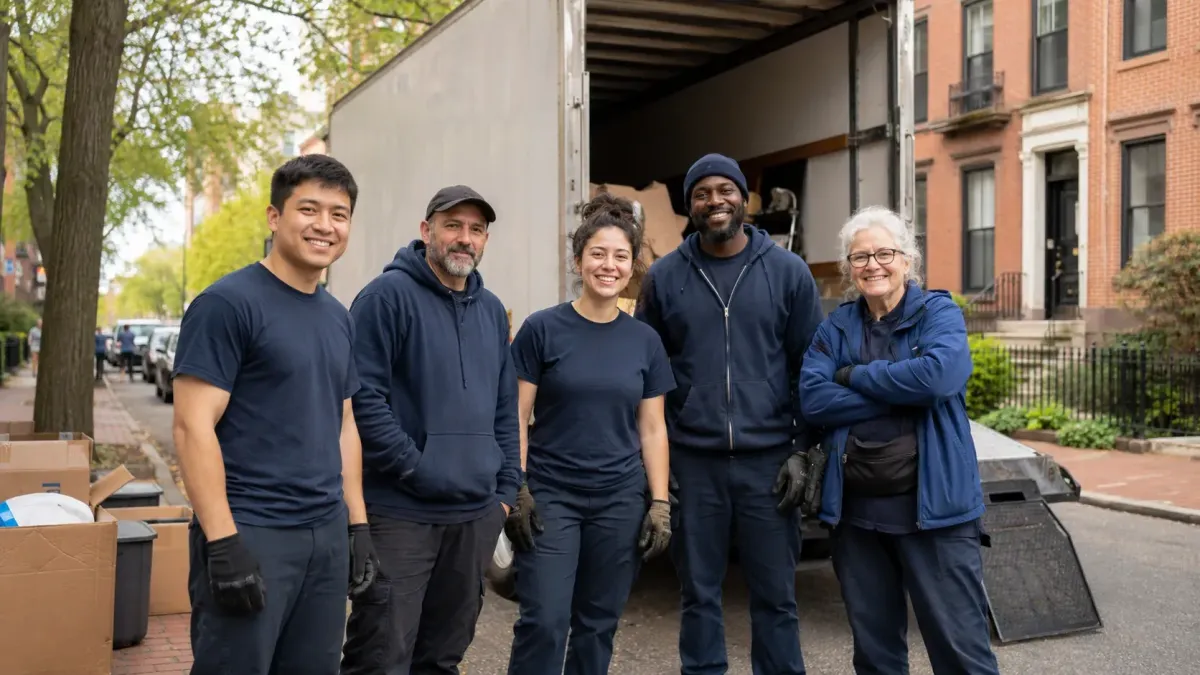
Whole-home downsizing is the signature donation job in Newton, where long-term owners moving out of large village colonials generate full houses of goods that all need to leave at once. A lifetime in a big home accumulates furniture across every room, appliances in the kitchen and laundry, and household items filling closets, a garage, and often a finished basement, much of it high-quality and well worth a second home rather than the landfill. The task is twofold: sorting that volume against what different charities will accept by type and condition, and physically clearing a multi-floor property without the day spiraling into chaos. We approach it room by room on the owner's timeline, matching each usable piece to a partner charity, carrying it out along a planned route from bedroom or basement to the truck, and responsibly clearing whatever cannot be donated so the home is left empty for its next chapter. Larger lots mean a longer haul from door to curb, and multi-story layouts mean real lifting on the stairs, both of which we plan for rather than discover mid-job. Every downsizing job opens with a firm quote for the full scope and a charity match across the load, with itemized donation receipts following for the household's records. What could be an overwhelming end-of-an-era clear-out becomes an orderly process, with quality Newton furniture and appliances placed where they will serve another family.
Basement and Upstairs Removal
Basements and upper floors are where the real lifting happens in Newton homes, and both demand a crew that plans the route before the carry. Finished basements in these larger properties often hold the heaviest items, sleeper sofas, pool tables, treadmills, spare refrigerators, and getting them up a basement stair and out to a truck parked at the end of a long driveway is a genuine job. Upper floors present the reverse challenge, easing a queen bed frame or a heavy dresser down two flights without marking the walls or the banister. We handle both by reading the layout first, mapping how each large piece leaves the room it sits in, and bringing the right crew size and equipment for the lift. Appliances pulled from a basement laundry or a second kitchen get a safe disconnect and a working-unit check before they are matched to a charity, since a functional fridge or washer still serves a family that needs one. Every large-item removal runs on the same upfront pricing and charity-match structure as our other work, so owners know the cost and the destination before anything moves off its floor. The point is to take the two hardest parts of a Newton clear-out, the deep basement and the top-floor bedroom, and handle them with a planned route rather than improvised muscle, keeping usable goods intact and headed for a partner charity.
Charity Matching With Receipts
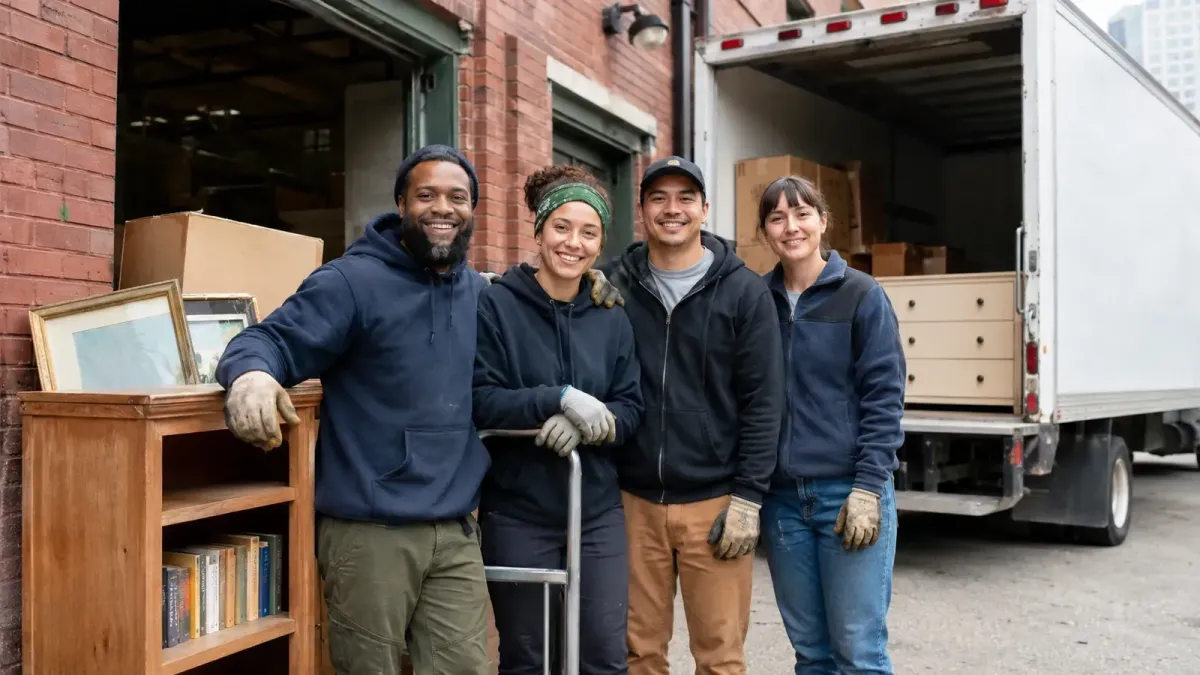
Charity matching with proper receipts carries extra weight in Newton, where whole-home downsizing produces donations large enough that the tax record genuinely matters. When a household clears a full colonial, the combined value of quality furniture, working appliances, and household goods can be substantial, and an itemized donation receipt is what turns that generosity into a documented record for the owner's files. We match each usable piece to a charity that accepts it by type and condition, place it with that partner, and provide the itemized receipt that reflects what was donated. For larger noncash donations, keeping a clear item list and fair-market values organized is what protects the deduction, so we make sure the paperwork reflects the actual load rather than a vague summary. That documentation discipline pairs with the same upfront pricing we bring to every job, meaning owners know the haul cost in advance and receive clean records of the donation afterward. The larger the clear-out, the more this matters, since a single downsizing move in Newton can involve dozens of pieces across several charities depending on what each partner accepts. We keep track of where every item goes so the receipt is accurate and complete. The result is a clear-out that respects both the goods and the owner's records, placing quality Newton furniture and appliances with charities that want them while leaving the household with the documentation a donation of that size deserves.
Comprehensive Donation Pickup Services in Boston
Tailored to Your Needs
From a single furniture pull to a full property cleanout, these are the donation pickup services we run across Boston and the nearby suburbs, each matched to charities that accept the items.

Couches, tables, dressers, and more picked up and donated across Boston.
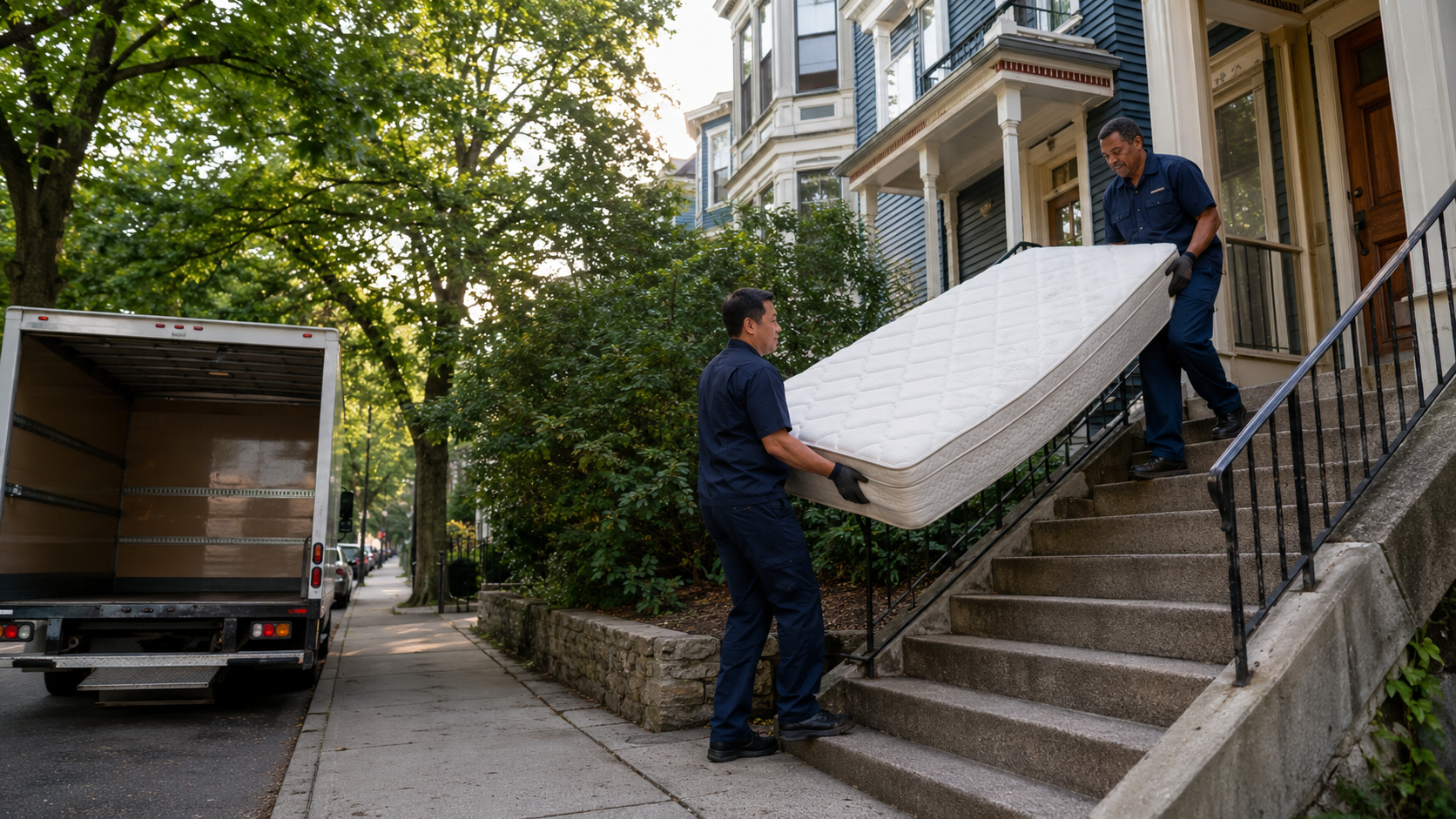
Gently used mattresses matched to Boston charities that actually accept them.
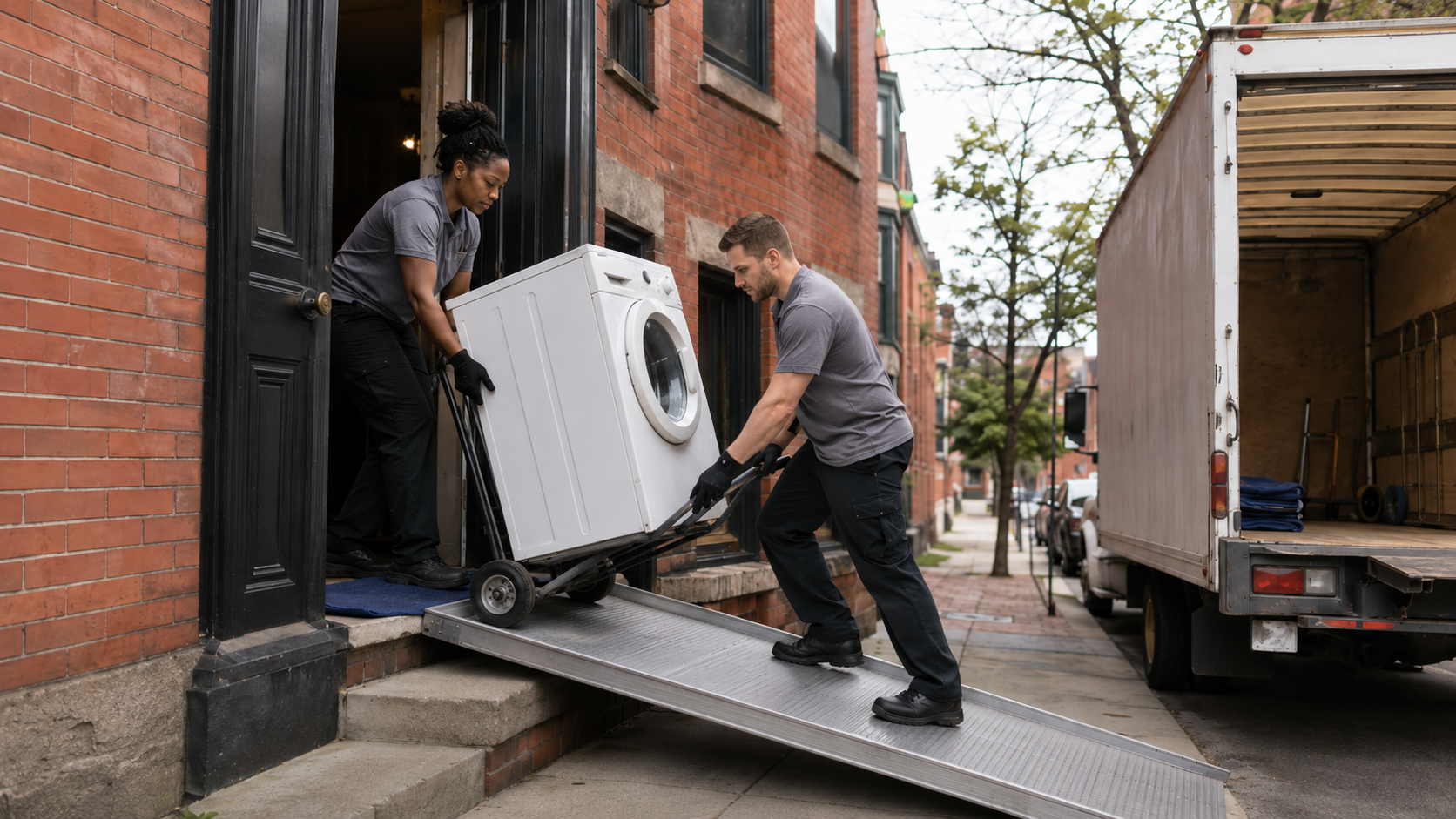
Working refrigerators, washers, and dryers hauled to Boston donation partners.
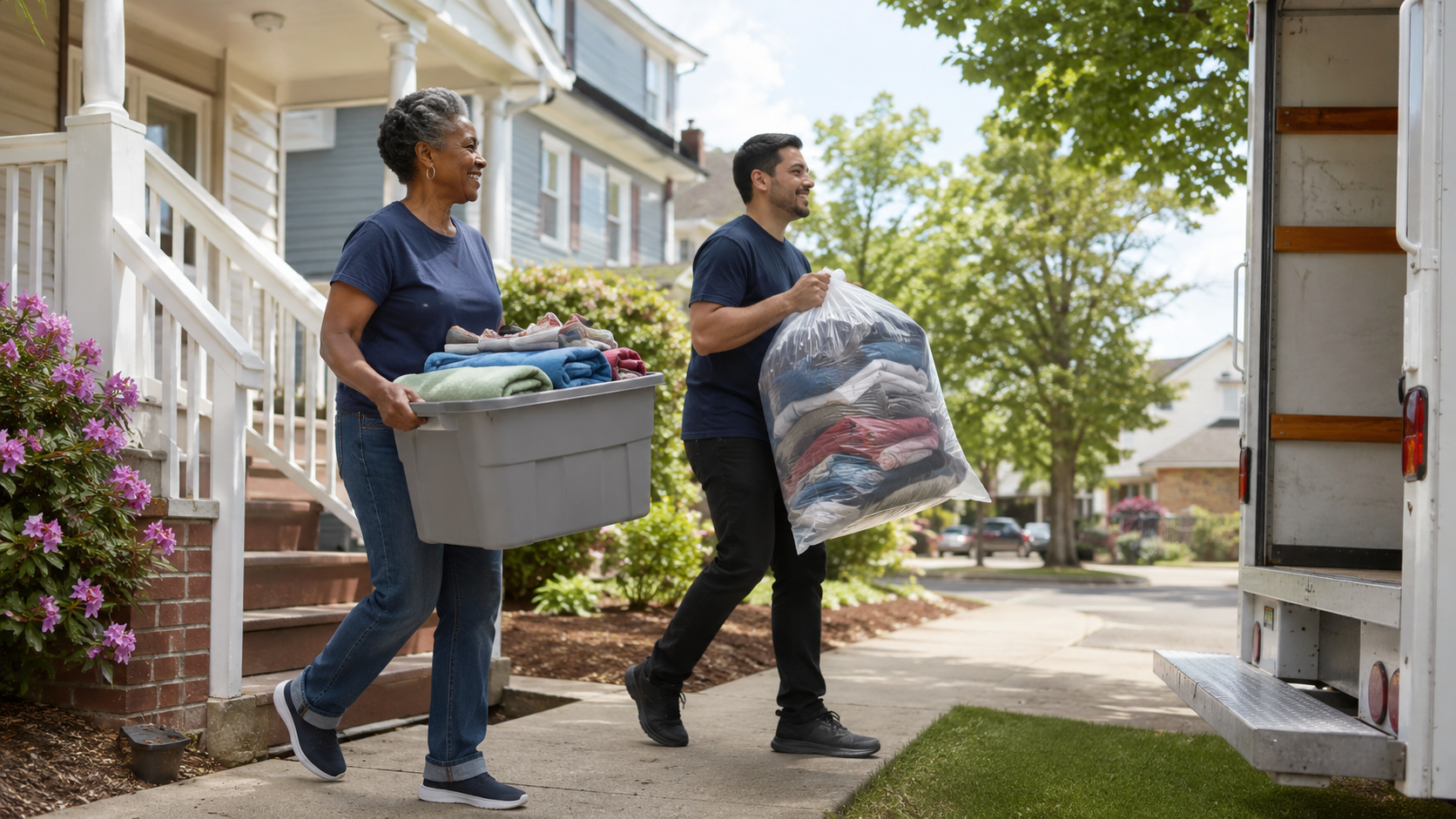
Bagged clothing and shoes collected for Boston-area charities in need.
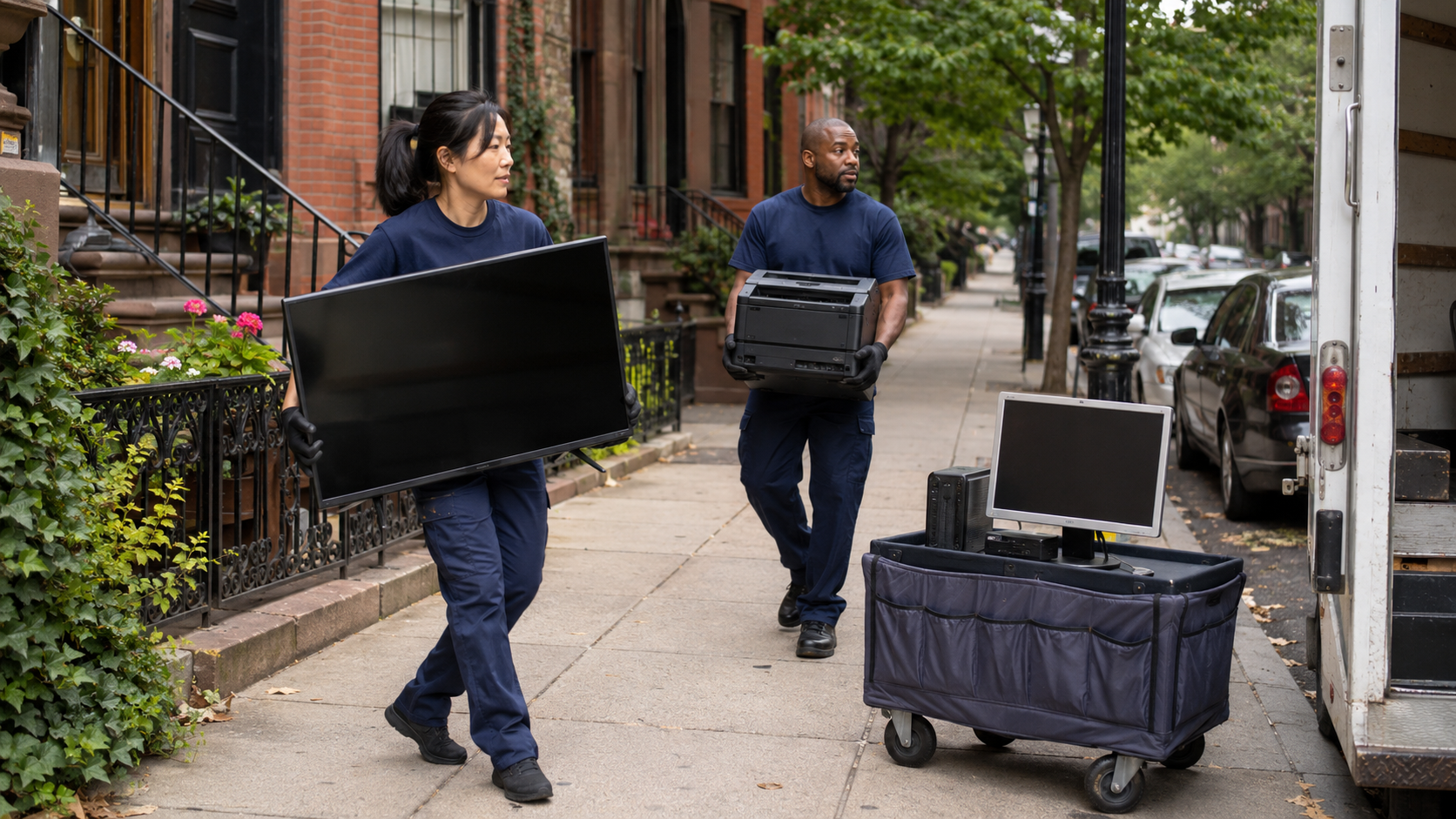
Reusable TVs, computers, and electronics donated or responsibly recycled.
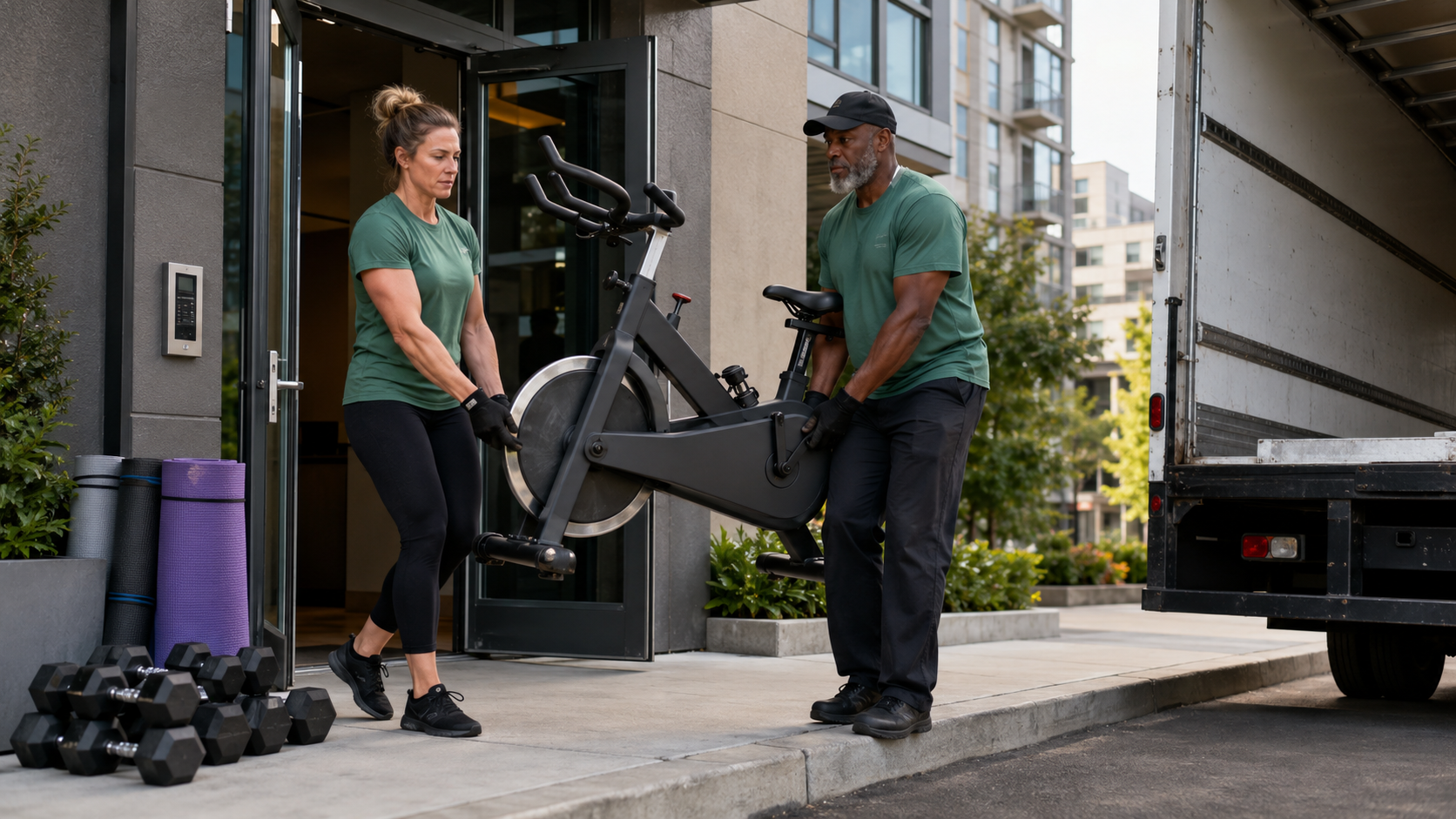
Treadmills, weights, and bikes picked up and rehomed around Boston.
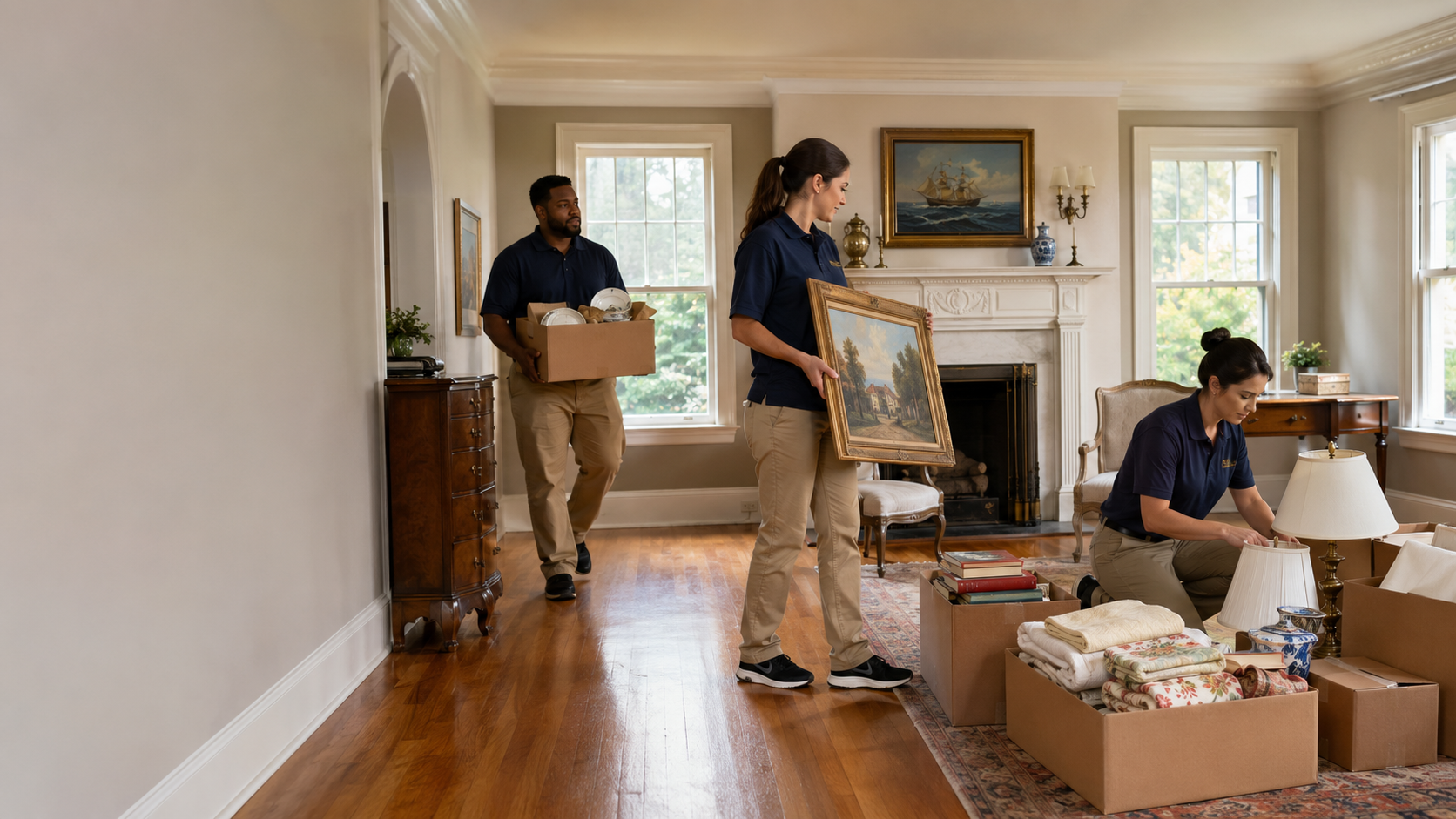
Full estate cleanouts with usable goods donated across Suffolk County.
Desks, chairs, and cabinets from Boston offices donated to nonprofits.
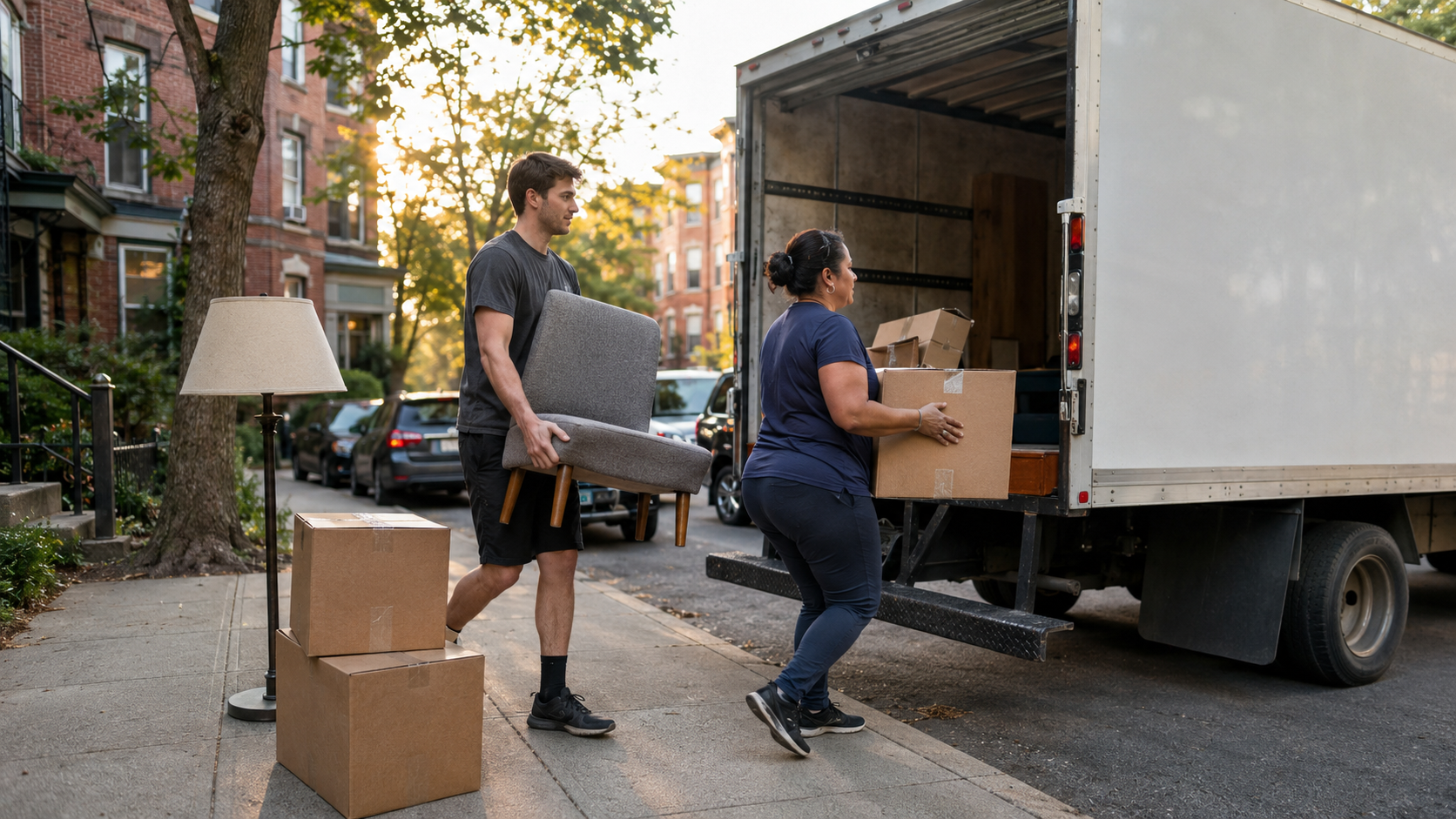
Fast same-day donation pickup when your Boston schedule cannot wait.
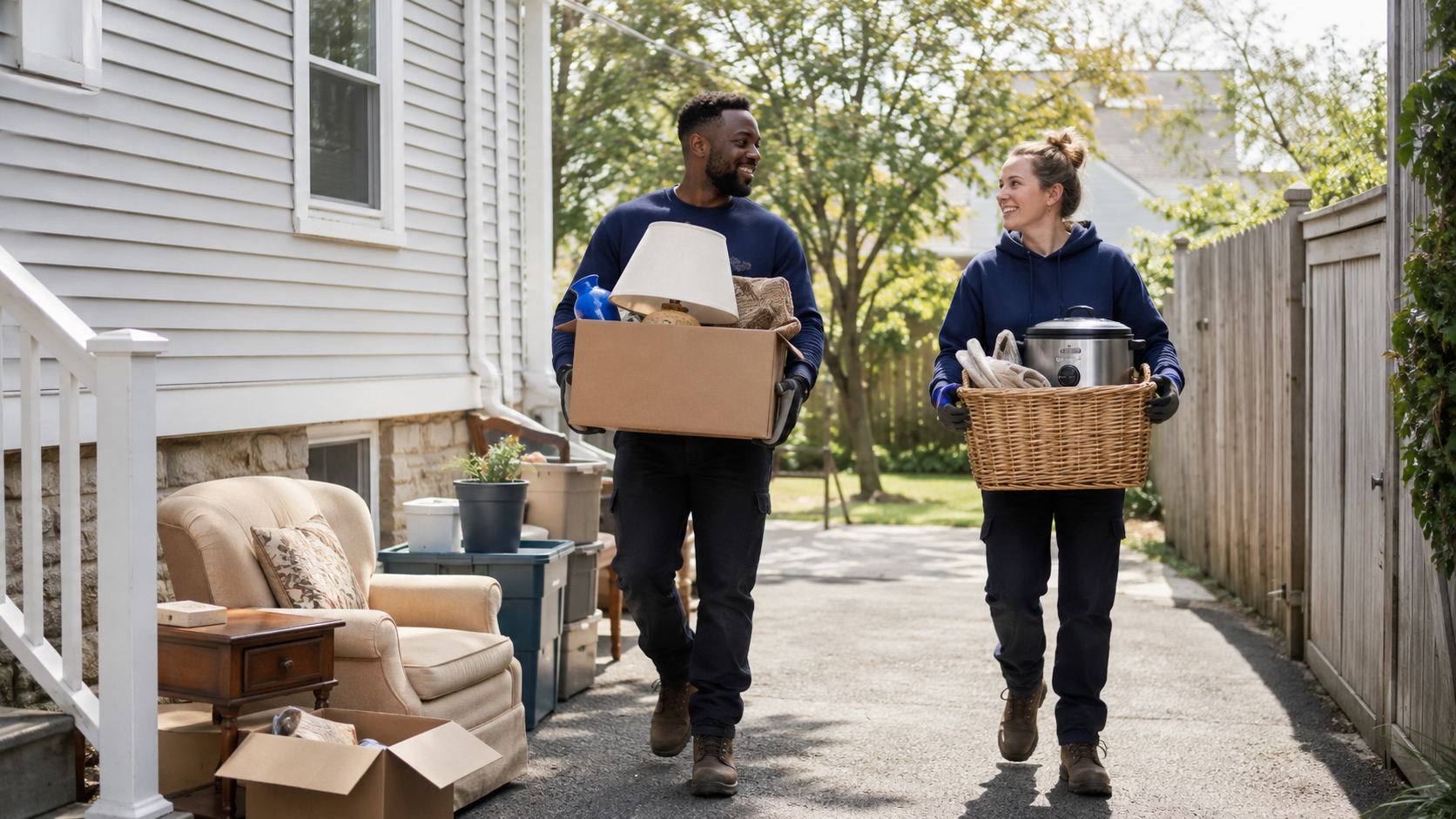
Mixed loads hauled, with everything usable donated and the rest cleared.
Frequently Asked Questions
Donation Pickup can be complex, and we’re here to provide answers to common questions. Here are some frequently asked questions from our clients.
Frequently Asked Questions about Donation Pickup Boston
Is donation pickup in Boston free or is there a fee?
It depends on the item and charity. Many Boston charities pick up gently used goods at no cost, while bulky items like furniture or appliances often carry a modest haul fee. We confirm cost upfront before we schedule your Suffolk County pickup, so there are no surprises.
Which items can I actually donate for pickup?
Furniture, mattresses, appliances, clothing, electronics, and exercise equipment are all commonly accepted, though condition rules vary by charity. Mattresses in particular are refused by many Boston nonprofits, so we map each item to a partner that will take it before pickup day.
How fast can you schedule a pickup in Boston?
Most Boston neighborhoods can be served within 24 to 48 hours, and same-day slots open up during quieter weeks. Move-out season around September 1 fills fast, so booking early during the Allston student turnover keeps your preferred window available.
Do I get a tax receipt for my donation?
Yes. When goods go to a qualifying charity you receive a donation receipt for your records. For total noncash gifts above 500 dollars the IRS wants Form 8283, and items over 5,000 dollars may need an appraisal, so keep your itemized list and fair market values.
Do you handle stairs and tricky Boston access?
We do. Triple-deckers in Dorchester and South Boston, walk-ups in Beacon Hill, and permit-parking blocks in Back Bay are routine for our crews. Tell us the floor and access details when booking so we bring the right team and dollies for the haul.
What neighborhoods and nearby cities do you cover?
We serve every Boston neighborhood plus nearby Cambridge, Somerville, Quincy, Newton, and Brookline. If you sit just outside these lines, reach out anyway; our Suffolk County service area flexes for larger loads and full estate or office cleanouts.
Still Have Questions About Donation Pickup Boston?
Speak With a Trusted Donation Pickup Expert Today.
What Our Satisfied Clients Have to Say About Boston Donation Pickups
We pride ourselves on delivering great results and experiences for each client. Hear directly from home and business owners who’ve trusted us with their Donation Pickup needs.

They picked up a sofa and two dressers from my third-floor Dorchester walk-up without a scratch on the stairwell. Quoted the price upfront and even sent the donation receipt the next morning.
Maria Alvarez
I had no idea which charity would take an old mattress until they sorted it out for me. Same-day pickup in Back Bay, handled the parking permit issue, completely painless.
James Whitfield
We cleared out my mother's entire Brighton apartment after she moved to assisted living. Respectful crew, fair pricing, and everything usable went to families who needed it.
Priya Nair
The Trusted Donation Pickup Expert Near You
Ready to hear more about expert services at Boston Donation Pickups?
Contact us today to receive a detailed, no-obligation quote.
Serving Dorchester, Jamaica Plain, South Boston, Roxbury, Roslindale, West Roxbury & Greater Boston
Mon–Fri 8AM–6PM | Sat 9AM–3PM | Sun Closed


